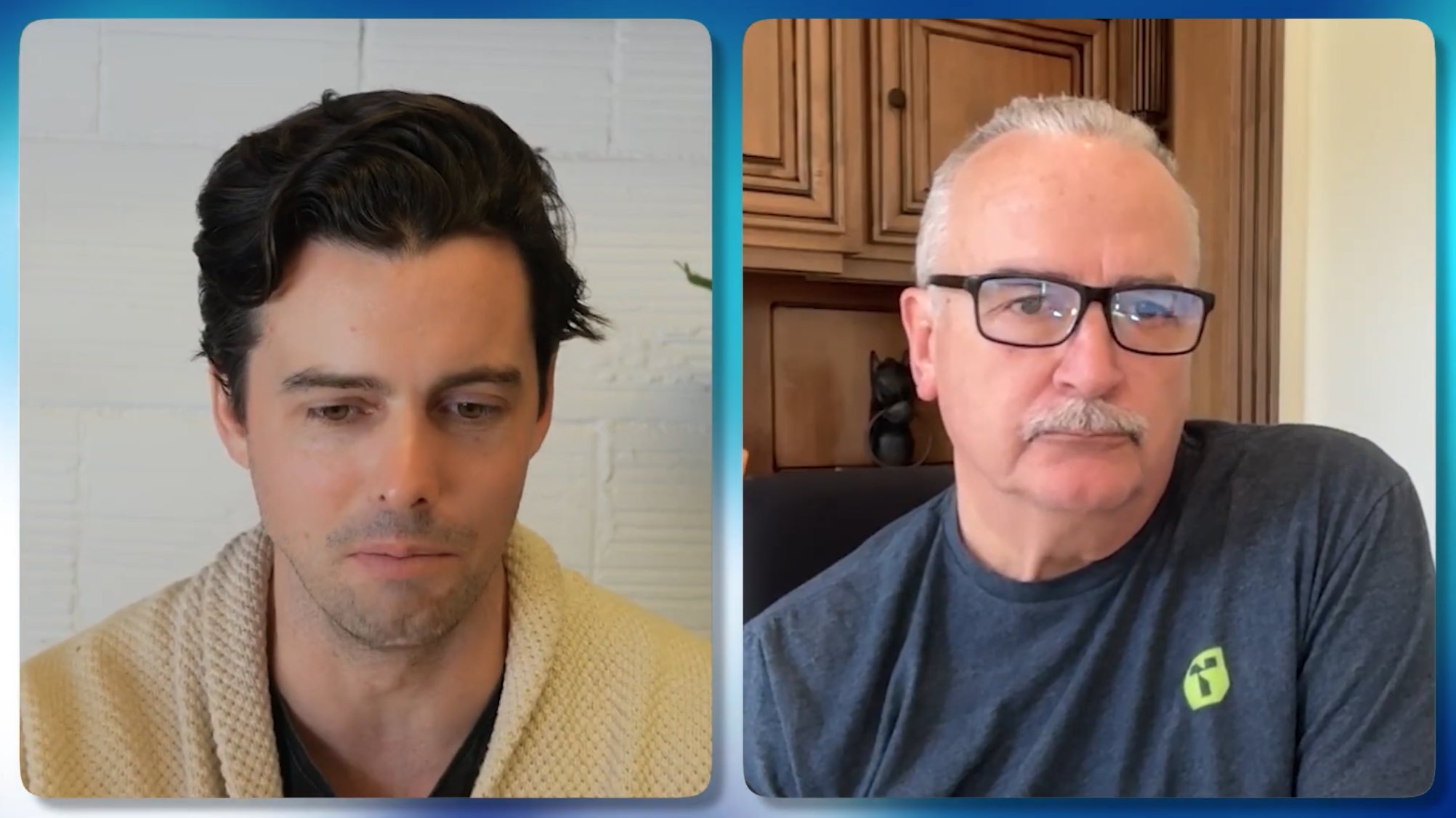

In this episode, Chris Brumett, Chief Product Officer at Terminal Industries, breaks down how warehouses actually optimize (labor travel time, staging space, dock throughput), why carrier appointment compliance is a facility survival mechanism, and how low-visibility yard operations quietly create expensive downstream inefficiency.
We also dig into the technology shift powering the category, from ASNs and appointment scheduling to computer vision and AI-driven workflows that reduce gate congestion, improve trailer/chassis visibility, and tighten execution across the full facility visit.
What you’ll learn:
Dock-Driven Warehouse Optimization: How product velocity, storage zones (ambient vs. temp-controlled), and travel time dictate door assignments and labor planning.
ASN Visibility and Receiving Automation: Why ASNs matter, how they connect to scanning and inventory accuracy, and where “ideal state” still breaks down.
Tendered vs. Operating Carrier Validation: How load brokering creates identity ambiguity at the gate and why facilities need separation between tendered carrier, operating carrier, and cargo asset.
Appointment Windows as Labor Control: The real reason strict appointment rules exist, how staging creates dock congestion, and why facilities penalize missed windows.
Inbound Priority Logic From Outbound Demand: How facilities prioritize inbound based on outbound shortages, retail promotions, and SKU velocity, not “fairness” to carriers.
Drop Trailer Strategy and Yard Buffering: Why drop-and-hook creates slack that smooths operational variance, and when yard footprint becomes the constraint.
The Hidden ROI of Yard Execution: Why optimizing “five spotters” misses the point, and how yard inefficiency causes dock labor idle time and throughput loss.
From Point Tools to Yard Operating System: How Terminal approaches the yard as an end-to-end workflow problem, not a check-in camera or a spreadsheet replacement.
Computer Vision and AI Workflow Automation: Where CV reduces gate processing time, and how AI can automate repetitive operational steps without removing the human-in-the-loop.
Facility ROI Levers That Actually Pencil: Labor displacement/reallocation, detention and demurrage reduction, and scaling volume without scaling labor.


