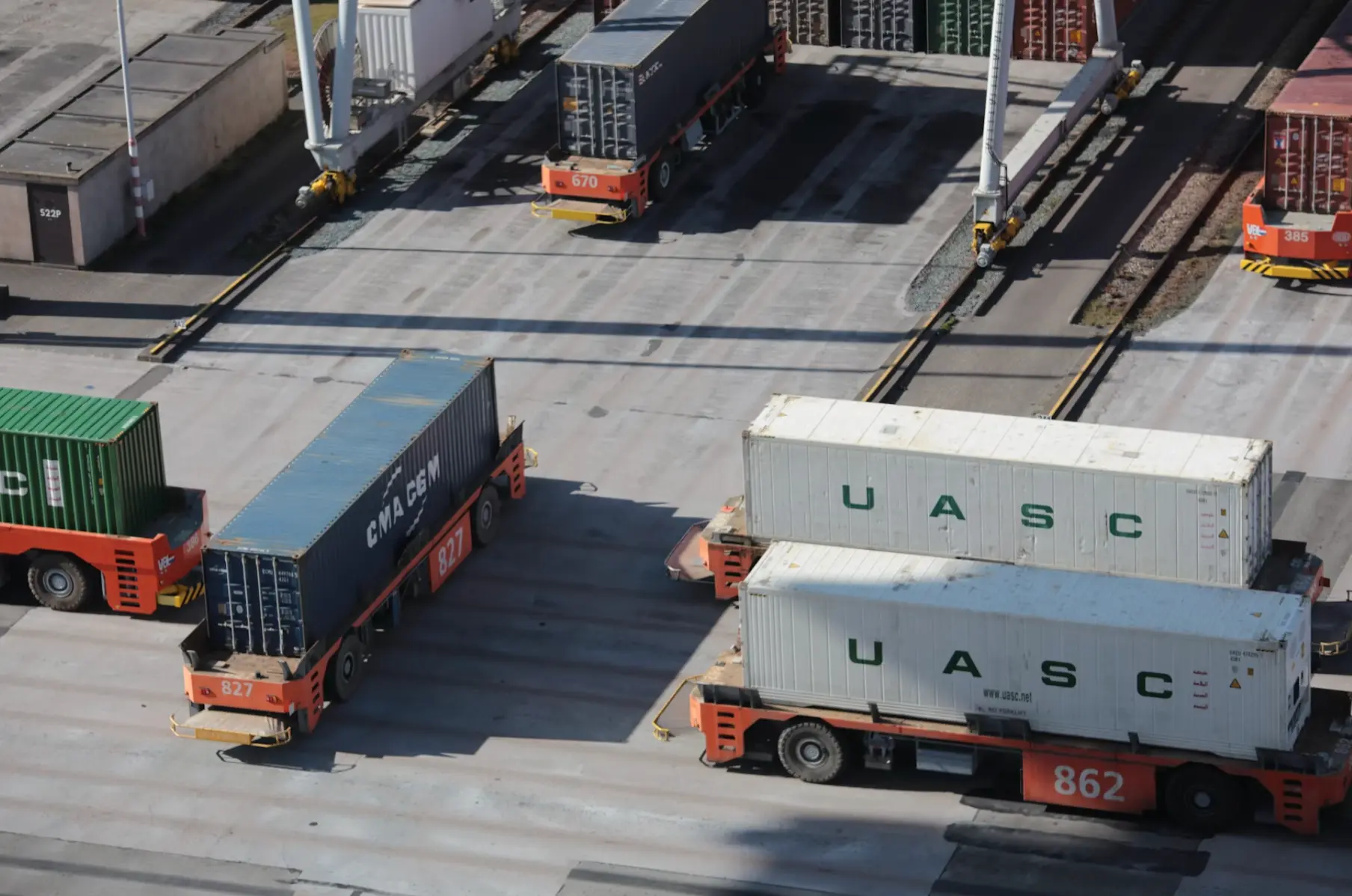

SaaS Transportation Management Systems: Transforming Modern Logistics
The logistics industry has experienced a significant change with the rise of SaaS Transportation Management Systems (TMS). These cloud-based logistics software solutions mark a major shift from traditional on-premise systems, offering transportation management capabilities through the internet without the need for extensive hardware investments or complicated installations.
What is a SaaS Transportation Management System?
A saas transportation management system operates entirely in the cloud, enabling logistics companies to access powerful transportation planning, execution, and optimization tools from anywhere with an internet connection. This approach eliminates the need for costly infrastructure while providing real-time visibility into shipping operations, carrier management, and freight optimization.
Why are SaaS TMS important in modern logistics?
The significance of SaaS TMS in modern logistics cannot be overstated. With over $50 billion in goods moving daily through North America's 50,000+ warehouses and factories, companies face mounting pressure to streamline operations while managing robust demand and 10% annual square footage growth. Cloud-based solutions address these challenges by offering scalable, flexible platforms that adapt to changing business needs.
This guide explores the essential features, transformative benefits, and emerging trends shaping SaaS Transportation Management Systems in today's competitive logistics environment.
Key Features of SaaS Transportation Management Systems
1. Cloud Hosting
Cloud hosting forms the foundation of modern SaaS TMS platforms, eliminating the need for expensive on-premise infrastructure. You can access your transportation management system from anywhere with an internet connection, while your provider handles all server maintenance, security updates, and system backups. This architecture ensures 99.9% uptime and automatic scalability during peak shipping seasons.
2. API Integration
API integration capabilities set SaaS TMS apart from legacy systems by connecting seamlessly with your existing technology stack. You can integrate with:
Warehouse Management Systems (WMS)
Enterprise Resource Planning (ERP) platforms
Customer Relationship Management (CRM) tools
Electronic Data Interchange (EDI) systems
Carrier networks and freight marketplaces
3. Shipment Tracking
Shipment tracking functionality provides real-time visibility across your entire supply chain. You receive automated updates on delivery status, location coordinates, and estimated arrival times. This transparency allows you to proactively communicate with customers and resolve potential delays before they impact operations.
4. AI Automation
AI automation transforms routine transportation tasks through machine learning algorithms. The system automatically optimizes route planning, predicts delivery windows, and suggests the most cost-effective carrier options based on historical performance data. You can reduce manual decision-making while improving operational efficiency.
5. Mobile Access
Mobile access ensures your team stays connected whether they're in the warehouse, on the road, or working remotely. Drivers can update delivery status, capture proof of delivery photos, and communicate directly with dispatchers through dedicated mobile applications.
Benefits of Adopting SaaS TMS for Logistics Operations
Cost Reduction
Cost reduction stands as the most compelling advantage when you implement SaaS transportation management systems. You eliminate substantial upfront capital expenditures for hardware, software licenses, and IT infrastructure. The subscription-based pricing model transforms fixed costs into predictable operational expenses, allowing you to scale your investment based on actual usage and business growth.
Operational Efficiency
Operational efficiency improves dramatically through automated workflows and intelligent routing algorithms. You can process shipments 40-60% faster compared to manual systems, while reducing human errors that typically plague traditional transportation management. The cloud-based architecture enables your team to access critical information from any location, supporting remote work capabilities and distributed operations.
Real-Time Tracking
Real-time tracking capabilities provide unprecedented visibility into your supply chain operations. You gain instant access to shipment status, carrier performance metrics, and delivery confirmations through centralized dashboards. This transparency allows you to proactively address delays, communicate accurate delivery windows to customers, and make data-driven decisions that enhance service quality.
Scalability
Scalability becomes effortless as your business expands across new markets or experiences seasonal fluctuations. You can add new users, integrate additional carriers, or expand to new geographical regions without significant infrastructure investments. The elastic nature of cloud computing ensures your system performance remains consistent during peak demand periods, while you only pay for the resources you actually consume.
Overcoming Traditional Transportation Challenges with SaaS TMS
Legacy transportation systems create significant roadblocks that prevent logistics companies from achieving optimal performance. Manual processes dominate traditional operations, forcing staff to spend countless hours on data entry, route planning, and carrier coordination. These time-consuming tasks drain resources and introduce human error into critical business operations.
Fragmented Technology
Fragmented technology represents another major obstacle. You're likely managing separate systems for dispatch, tracking, billing, and reporting - each requiring different logins, interfaces, and data formats. This technological maze creates confusion and inefficiency across your transportation operations.
Data Silos
Data silos emerge when information remains trapped within individual systems. Your dispatch team cannot easily access billing data, while your customer service representatives struggle to provide real-time shipment updates. This disconnection leads to poor decision-making and frustrated customers.
Operational Bottlenecks
Operational bottlenecks develop when manual approvals, paper-based documentation, and phone-based communication slow down your entire transportation workflow. Drivers wait for load assignments, customers demand shipment visibility, and managers lack the real-time insights needed for quick problem resolution.
A saas transportation management system eliminates these challenges through centralized automation and real-time connectivity. You gain immediate access to integrated workflows that connect every aspect of your transportation operations. Automated processes replace manual tasks, unified platforms eliminate fragmentation, and shared databases break down information barriers. Your team can focus on strategic decisions rather than administrative burdens.
Integration of Advanced Technologies in SaaS TMS Solutions
Modern SaaS transportation management systems are becoming powerhouses of technological innovation, incorporating cutting-edge capabilities that transform how logistics operations function. Artificial Intelligence serves as the backbone of these advanced platforms, enabling predictive analytics that anticipate demand fluctuations, optimize routing decisions, and identify potential disruptions before they impact operations.
Machine Learning in SaaS TMS
Machine learning algorithms continuously analyze historical transportation data, learning from patterns to improve decision-making accuracy over time. These systems can predict delivery times with remarkable precision, automatically adjust routes based on traffic conditions, and optimize load planning to maximize vehicle utilization. You'll find that ML-powered SaaS TMS solutions adapt to your specific operational patterns, becoming more effective as they process more data from your logistics network.
Decision Intelligence for Enhanced Decision-Making
Decision intellegence represents the next evolution in transportation management, combining AI and ML with advanced analytics to provide actionable insights. These systems don't just present data—they recommend specific actions based on real-time conditions and predictive models. For example, when a weather event threatens delivery schedules, decision intelligence engines can automatically reroute shipments, adjust driver assignments, and notify customers of potential delays.
Computer Vision and IoT Integration in Yard Operations
Computer vision technology is revolutionizing yard operations within SaaS TMS platforms, providing automated asset tracking and damage detection capabilities. Real-time data processing enables instant visibility across transportation networks, while IoT integration connects vehicles, warehouses, and mobile devices into unified operational ecosystems that respond dynamically to changing conditions.
Target Users and Ideal Use Cases for SaaS Transportation Management Systems
SaaS TMS solutions primarily benefit 3PL providers who manage complex operations for multiple clients. These companies have diverse shipping needs and require a flexible and scalable technology infrastructure. With SaaS TMS, they can quickly onboard new clients without significant IT investments or long implementation processes.
Mid-market logistics companies with 5-50 distribution centers find SaaS TMS valuable in competing with larger enterprises. These organizations may not have the resources for extensive on-premise infrastructure but still need advanced transportation management capabilities. The subscription-based model of SaaS TMS allows them to access enterprise-level features while keeping operational costs predictable.
Shippers in industries such as manufacturing, retail, and e-commerce benefit from SaaS TMS when managing complex supply chains. This includes dealing with multiple carriers and meeting various delivery requirements. Companies experiencing seasonal fluctuations or rapid growth also find the scalability of cloud solutions advantageous.
Ideal Use Cases for SaaS TMS
Some ideal scenarios where SaaS TMS proves beneficial include:
Multi-location operations: Businesses with multiple facilities requiring a centralized view of their shipping activities.
High-volume shipping environments: Companies processing over 100 shipments daily needing efficient management tools.
Seasonal businesses: Organizations that experience fluctuations in demand during certain times of the year requiring flexible capacity management solutions.
Limited IT resources: Companies lacking extensive technical support seeking quick deployment options.
Digital transformation initiatives: Organizations looking to upgrade their transportation processes without significant upfront investments.
The most successful implementations occur when there are established relationships with carriers, standardized shipping procedures, and clear metrics in place to measure return on investment (ROI).
Choosing the Right SaaS TMS Provider: Critical Considerations
Selecting the right saas transportation management system provider requires careful evaluation of multiple technical and business factors. You need to assess each vendor's ability to meet your specific operational requirements while providing long-term value and reliability.
1. Data Security Certifications
Data security certifications represent a non-negotiable requirement when evaluating providers. Look for vendors that maintain SOC 2 Type II compliance, ISO 27001 certification, and industry-specific security standards. Your provider should demonstrate robust encryption protocols, regular security audits, and comprehensive data backup procedures. These certifications ensure your sensitive logistics data remains protected against cyber threats and regulatory violations.
2. Uptime Reliability
Uptime reliability directly impacts your daily operations and customer satisfaction levels. Evaluate providers based on their Service Level Agreements (SLAs), typically requiring 99.9% uptime guarantees. Request detailed uptime reports from the past 12 months and understand their disaster recovery protocols. You should also assess their redundancy measures, including multiple data centers and failover capabilities.
3. Integration Capabilities
Integration capabilities determine how seamlessly the system will work with your existing technology stack. Examine the provider's API documentation, pre-built connectors for popular WMS and ERP systems, and their track record with similar implementations. Consider their implementation timeline, training programs, and ongoing support structure.
4. Scalability Features
Scaleability features ensure the system grows with your business needs. Evaluate pricing models, user capacity limits, and the ability to handle increased transaction volumes without performance degradation.
Future Trends Impacting SaaS Transportation Management Systems
The transportation management landscape continues evolving at an unprecedented pace, driven by technological breakthroughs and changing market demands. Artificial intelligence and machine learning are transforming how you predict demand patterns, optimize routes, and automate decision-making processes. These technologies enable your TMS to learn from historical data and make intelligent recommendations that improve efficiency across your entire logistics network.
1. Digital Yard Management
Digital yard management represents a critical frontier in transportation technology. You're witnessing the emergence of comprehensive yard operating systems that bridge the gap between highway and warehouse operations. This technology addresses the $50 billion worth of goods moving daily through North American facilities, providing the visibility and control that traditional systems couldn't deliver.
Solutions like Terminal Industries Yard Operating SystemTM turns your yard into a strategic asset for TMS-driven operations, reducing detention fees, improving carrier relations, and enhancing fleet utilization with the following capabilities:
Automated Trailer Status Updates: Real-time trailer status feeds directly to your TMS, creating a single source of truth.
Detention & Demurrage Alerts: Automatic alerts when dwell times exceed thresholds, preventing unnecessary costs.
Yard-Informed Trip Planning: TMS can make smarter carrier assignments and route decisions based on exact trailer locations, reducing empty miles and delays.
Carrier Performance Management: Provides granular data on a carrier's yard turn times, enabling the TMS to generate performance reports and identify partners who consistently meet or exceed service level agreements.
Empty Trailer Visibility for Trip Creation: Gives the TMS a real-time count and location of empty trailers in the yard, allowing it to automatically identify available assets for new outbound trips, reducing unnecessary repositioning and wait times.
2. End-to-End Visibility
Computer vision and IoT sensors are creating end-to-end visibility throughout your supply chain. You can now track assets in real-time from gate to dock, eliminating the data black holes that previously existed in yard operations. This visibility extends beyond simple location tracking to include asset condition monitoring, security compliance, and automated damage detection.
3. Autonomous Vehicles and Robotics Integration
Autonomous vehicles and robotics integration will reshape how you manage transportation workflows. Your SaaS TMS will need to coordinate with self-driving trucks, automated yard spotters, and robotic loading systems. The convergence of these technologies creates opportunities for 24/7 operations with minimal human intervention, dramatically improving throughput while reducing operational costs.
Conclusion
The strategic advantage of adopting a SaaS transportation management system extends far beyond simple cost savings. You gain access to cutting-edge technology, real-time visibility, and scalable solutions that traditional systems simply cannot match. Cloud-based platforms empower your organization to respond quickly to market changes, optimize routes dynamically, and make data-driven decisions that drive competitive advantage.
Logistics optimization through SaaS TMS represents more than a technological upgrade—it's a fundamental shift toward operational excellence. You position your company at the forefront of supply chain innovation, equipped with tools that adapt and evolve alongside your business needs.
The logistics landscape continues to transform rapidly. Companies that embrace cloud-based transportation management solutions today will lead tomorrow's market. You have the opportunity to revolutionize your operations, enhance customer satisfaction, and build resilience into your supply chain infrastructure.
Innovation isn't optional in modern logistics—it's essential for survival and growth. Your journey toward logistics excellence begins with the strategic decision to modernize your transportation management approach through proven SaaS solutions.
:quality(85))
:quality(85))
:quality(85))
:quality(85))
:quality(85))
:quality(85))
:quality(85))
:quality(85))
:quality(85))
:quality(85))
:quality(85))
:quality(85))
:quality(85))
:quality(85))
:quality(85))
:quality(85))
:quality(85))
:quality(85))
:quality(85))
:quality(85))


