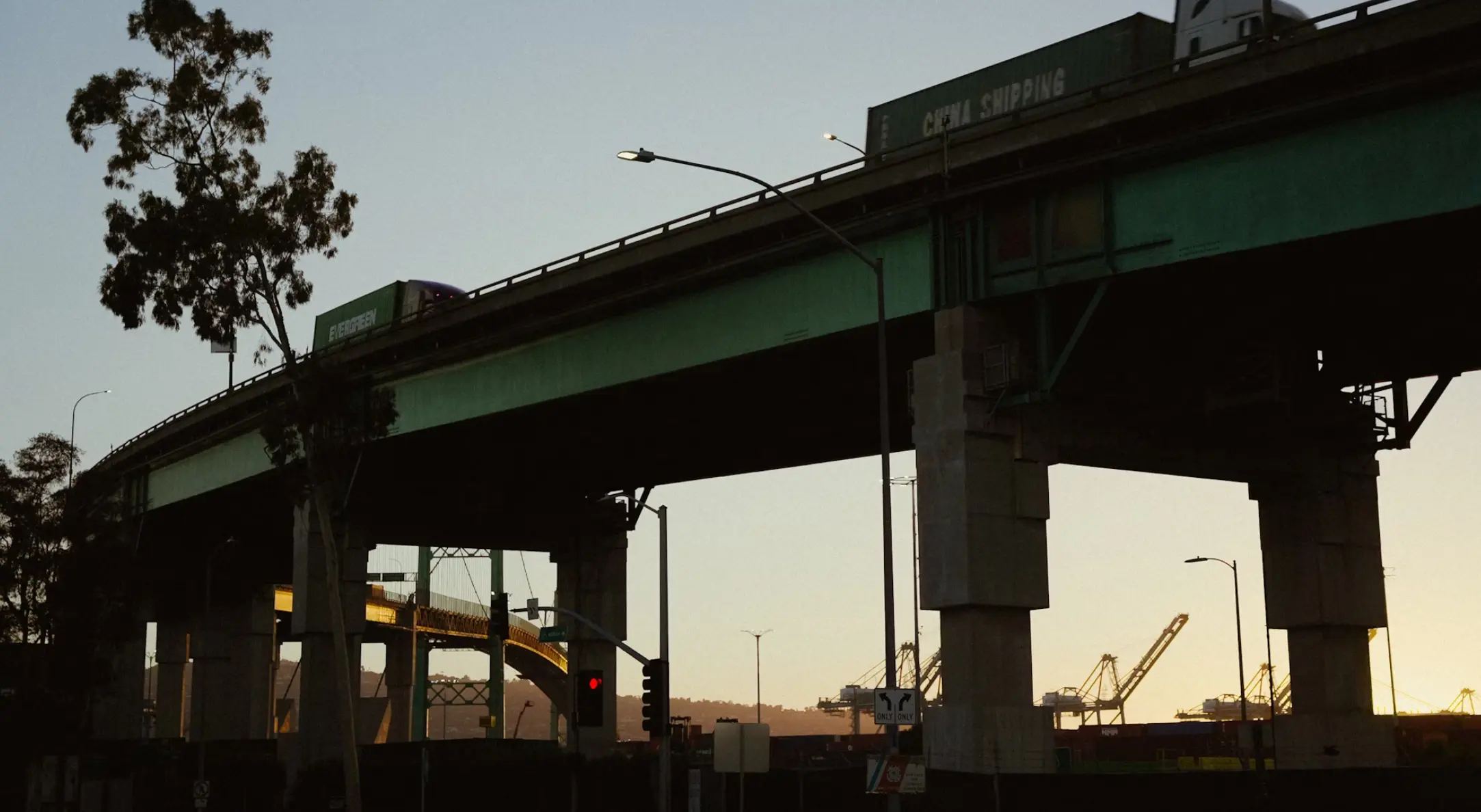

A trailer tracking system is an important tool for managing a fleet. It allows you to monitor the location and condition of your trailers in real-time as they move through your supply chain. By using GPS technology and cellular networks, these systems can provide constant visibility into your trailer assets, no matter where they are.
The logistics industry handles over $50 billion worth of goods every day through more than 50,000 warehouses and factories in North America. With such a large operation, it's crucial to have visibility over your entire fleet. This knowledge is vital for preventing theft, optimizing asset usage, and improving operational efficiency.
Modern trailer tracking systems have advanced beyond just showing where your trailers are. They now come with advanced features like geofencing (setting up virtual boundaries), yard management integration (coordinating activities in storage areas), and predictive analytics (using data to forecast future events) that change the way you run your fleet.
This guide will delve into the main technologies behind these systems, discuss important features and advantages, and offer practical tips on how to choose the best trailer tracking solution for your fleet size and industry needs. You'll learn how these systems can help you save money and improve efficiency throughout your entire logistics network.
Understanding Trailer Tracking Technology
Trailer tracking technology relies on several key components to provide accurate and efficient monitoring of trailers. These components include GPS technology, cellular networks, and the Internet of Things (IoT). Let's explore each of these technologies in more detail:
GPS Technology
GPS technology forms the backbone of modern trailer tracking systems, providing precise location coordinates through satellite communication. This technology enables fleet managers to pinpoint trailer locations within meters of accuracy, creating a digital map of their entire asset portfolio. GPS receivers installed on trailers continuously communicate with satellites to determine exact positioning data, which then gets transmitted to central monitoring systems.
Cellular Networks
Cellular networks serve as the critical communication bridge between trailers and fleet management platforms. These networks carry location data, status updates, and operational information from remote trailers back to dispatch centers. Modern tracking systems leverage 4G LTE and emerging 5G networks to ensure reliable data transmission even in challenging environments. The cellular connectivity allows for real-time updates, enabling immediate response to route deviations or unexpected stops.
IoT in Logistics
IoT in logistics has revolutionized how tracking devices collect and share information beyond basic location data. Smart sensors embedded within trailer tracking devices monitor multiple parameters simultaneously:
Door status - Open/closed monitoring for security purposes
Temperature readings - Critical for refrigerated cargo
Shock detection - Identifying potential damage during transport
Tire pressure monitoring - Preventive maintenance alerts
Cargo weight sensors - Load verification and compliance
These IoT-enabled devices create comprehensive data streams that feed into fleet management systems, transforming simple location tracking into intelligent asset monitoring. The devices operate on low-power consumption models, often featuring solar charging capabilities to extend battery life during extended deployments.
Benefits of Trailer Tracking Technology
The combination of GPS technology, cellular networks, and IoT has brought about significant benefits for fleet management:
Enhanced Fleet Visibility: Real-time location data enhances fleet visibility by providing dispatchers with instant access to trailer positions, movement patterns, and operational status.
Predictive Analytics: This visibility extends beyond simple dot-on-map tracking to include predictive analytics, helping fleet managers anticipate potential issues such as delays or maintenance needs.
Route Optimization: With accurate information on trailer locations and traffic conditions, fleet managers can optimize routes for fuel efficiency and timely deliveries.
Automated Alerts: Automated alerts for unauthorized movements or schedule deviations enable proactive measures against theft or missed appointments.
Data-Driven Decision Making: Fleet managers can monitor trailer utilization rates, identify underperforming assets, and make data-driven decisions about fleet expansion or downsizing.
By leveraging these technologies effectively, businesses can streamline their operations, reduce costs associated with inefficiencies, and ultimately improve customer satisfaction through timely deliveries.
Key Features and Benefits of Trailer Tracking Systems
Modern trailer tracking systems offer a wide range of features designed to transform how you manage your fleet assets. The core feature is real-time location monitoring, which provides continuous GPS coordinates that update every few minutes or even seconds, depending on your system configuration. This allows you to have instant visibility into the location of every trailer in your network, whether it's parked in your yard, on its way to a destination, or at a customer facility.
Key Features of Trailer Tracking Systems
Geofencing capabilities: Create virtual boundaries around specific locations and receive automatic alerts when trailers enter or exit designated areas.
Operational reporting: Turn raw tracking data into actionable insights through customizable dashboards and automated reports.
Core Benefits for Fleet Operations
Theft prevention: Continuous monitoring and instant alerts make theft prevention significantly more effective.
Improved efficiency: Enhanced asset visibility and utilization tracking lead to improved efficiency in fleet operations.
Better decision-making: Comprehensive data analysis reveals patterns in trailer usage and identifies opportunities for fleet optimization, resulting in better decision-making.
Enhancing Yard Operations with Trailer Tracking Solutions
Yard management challenges are a major issue for logistics operations across North America, where $50 billion worth of goods are transported every day through more than 50,000 warehouses and factories. While warehouse management systems (WMS) and transportation management systems (TMS) have successfully digitized warehouse floors and highway operations, the yard remains a significant data black hole in the supply chain.
Trailer tracking systems directly address these persistent yard management challenges:
Asset location uncertainty - Drivers spend excessive time searching for trailers in large yards
Manual check-in/check-out processes - Paper-based systems create bottlenecks and data entry errors
Poor visibility into trailer status - Operations teams lack real-time insights into loaded, empty, or maintenance-required trailers
Inefficient space utilization - Without accurate positioning data, yards struggle to optimize parking assignments
Real-time trailer visibility turns these problems into competitive advantages. When you implement a comprehensive trailer tracking system, your yard operations gain immediate access to precise asset locations, reducing the average trailer search time by up to 90%. This visibility enables automated workflows that guide drivers to specific parking spots based on load attributes, delivery schedules, and operational priorities.
Yard digitization through trailer tracking creates a foundation for intelligent decision-making. Your operations team can monitor trailer dwell times, identify bottlenecks before they impact throughput, and optimize dock door assignments based on real-time trailer availability. The integration of GPS data with yard execution platforms enables automated notifications when trailers arrive, depart, or require attention, eliminating the guesswork that traditionally hampers yard efficiency.
Modern tracking solutions provide the data infrastructure necessary to bridge the operational gap between highway and warehouse operations, creating seamless goods flow from gate to dock.
Driving Operational Efficiency and Cost Savings Through Tracking Systems
Fleet optimization becomes achievable when you have complete visibility into your trailer assets. Tracking systems transform how you manage your fleet by providing data-driven insights that directly impact your bottom line. You can identify underutilized trailers sitting idle in remote locations and redistribute them to high-demand areas, maximizing asset utilization rates across your entire network.
The financial impact of reduced idle time cannot be overstated. When you know exactly where each trailer is located and its current status, you eliminate the costly process of searching for equipment. Your drivers spend less time hunting for trailers and more time moving freight, which translates to:
Reduced driver detention fees by up to 12% through faster asset location
Improved asset turnover with better deployment strategies
Lower fuel costs from optimized routing and reduced empty miles
Decreased equipment rental expenses when you maximize existing fleet usage
Cost savings logistics extend beyond simple location tracking. You can implement predictive maintenance schedules based on trailer usage patterns, preventing costly breakdowns and extending equipment lifespan. The data reveals which trailers are overworked and which remain underutilized, allowing you to balance workloads effectively.
Smart deployment strategies emerge from tracking data analysis. You can position trailers closer to anticipated pickup locations, reducing repositioning costs and improving service levels. When combined with historical demand patterns, this visibility enables you to make proactive decisions rather than reactive ones.
The compound effect of these improvements creates substantial operational savings. Companies typically see ROI within five months of implementation, with ongoing benefits that scale across their entire yard network as tracking systems provide the foundation for automated decision-making processes.
Integrating Advanced Yard Operating Solutions with Trailer Tracking Systems
Modern logistics operations require more than standalone tracking solutions. The integration of trailer tracking systems with comprehensive yard management platforms creates a powerful ecosystem that transforms operational visibility and control. Terminal Industries Yard Operating System™ represents this evolution, combining traditional GPS tracking with advanced yard orchestration capabilities.
Breaking Down Data Barriers
The synergy between trailer tracking and yard operating platforms eliminates data silos that plague traditional logistics operations. When your tracking system communicates directly with yard management software, you gain unprecedented visibility into asset movements from gate to dock. This integration enables automated workflows that respond to real-time trailer locations, optimizing dock assignments and reducing congestion.
Enhancing Integration with AI Vision Technology
AI vision technology elevates this integration to new heights by providing visual verification of tracking data. While GPS coordinates tell you where a trailer is located, computer vision confirms what's actually happening at that location. This dual-layer approach delivers:
Enhanced accuracy through visual confirmation of trailer positioning
Automated damage detection during trailer movements
Real-time verification of loading and unloading activities
Intelligent asset identification without manual intervention
Empowering Decision-Making through Intelligent Insights
The combination of GPS data with AI vision technology creates intelligent decision-making capabilities that traditional tracking systems cannot match. Your yard operations team receives actionable insights rather than raw location data, enabling proactive management of trailer flows and dock scheduling.
This integrated approach transforms reactive yard management into predictive operations. You can anticipate bottlenecks before they occur, automatically route trailers to optimal locations, and maintain continuous visibility across your entire yard network through a single platform interface.
Choosing the Right Trailer Tracking System for Your Fleet Size and Industry Needs
Choosing trailer trackers requires careful evaluation of your specific operational requirements and business constraints. Your fleet size directly impacts the complexity and features you need from a trailer tracking system.
Fleet Size Considerations
Small fleets (1-25 trailers) benefit from basic GPS tracking solutions with essential features like real-time location monitoring and geofencing. You can prioritize cost-effective systems with straightforward installation and minimal maintenance requirements.
Mid-size operations (25-100 trailers) require more sophisticated capabilities including detailed reporting, integration with existing TMS platforms, and advanced analytics. You need systems that can scale efficiently as your fleet grows.
Large enterprises (100+ trailers) demand comprehensive solutions with enterprise-grade performance, multi-site visibility, and robust API integrations. You should focus on platforms that offer centralized management across multiple locations.
Industry-Specific Requirements
Different sectors have unique tracking needs that influence system selection:
3PL providers need multi-client visibility and customizable reporting capabilities
Refrigerated transport requires temperature monitoring integration alongside location tracking
Manufacturing operations benefit from yard-specific features like dock door assignment and staging optimization
Retail distribution centers need seamless WMS integration and automated check-in/check-out processes
Your choice should align with regulatory complience requirements, operational workflows, and existing technology infrastructure to maximize the return on your tracking investment.
Future Trends Shaping the Landscape of Trailer Tracking and Yard Digitization
The logistics industry is on the verge of a technological revolution, with AI in logistics leading transformative changes in trailer tracking and yard operations. Machine learning algorithms now analyze vast datasets from tracking systems to predict maintenance needs, optimize routing patterns, and identify potential security threats before they happen.
Key Technologies Driving Change
Several key technologies are driving this change:
Computer Vision: Advanced systems can automatically identify trailer types, read license plates, and detect damage or unauthorized modifications without human intervention. These AI-powered solutions deliver 99.5% data accuracy while reducing manual inspection time by up to 90%.
Automation: With the working-age population remaining stagnant while logistics demand grows 10% annually, automated tracking systems become essential for maintaining operational continuity. Smart yard management platforms now orchestrate entire workflows, from gate entry to dock assignment, requiring minimal human oversight.
Predictive Analytics: AI algorithms analyze tracking data patterns to forecast equipment failures, schedule preventive maintenance, and optimize fleet utilization. This shift reduces unexpected downtime by up to 40% while extending asset lifecycles.
IoT Integration: These systems monitor tire pressure, cargo temperature, and structural integrity in real-time, providing unprecedented visibility into trailer conditions throughout the supply chain.
These technologies work together to create a more efficient and effective logistics industry.
Conclusion
The logistics industry needs action right away. Companies that use trailer tracking system technology now will have an advantage over competitors who are still using old visibility methods. You can't afford to let your assets go missing in data black holes while your competitors gain operational advantages through real-time tracking capabilities.
Smarter yard management starts with knowing where your trailers are at all times. Combining AI-powered tracking systems with comprehensive yard execution platforms opens up new opportunities for cost reduction and increased efficiency. Your fleet deserves better than manual processes and guessing.
Now is the time for digital transformation. Labor shortages won't fix themselves, and operational inefficiencies are adding to daily costs. You need solutions that provide quick returns on investment while also being able to scale across your entire yard network.
Are you ready to change the way you manage your yard operations? Contact Terminal Industries to find out how our Terminal Yard Operating System™ can improve your trailer tracking abilities. Check out our extensive resources and discover how AI-driven solutions can connect your current operations with future success.
:quality(85))
:quality(85))
:quality(85))
:quality(85))
:quality(85))
:quality(85))
:quality(85))
:quality(85))
:quality(85))
:quality(85))
:quality(85))
:quality(85))
:quality(85))
:quality(85))
:quality(85))
:quality(85))
:quality(85))
:quality(85))
:quality(85))
:quality(85))
:quality(85))


