System
Markets
Featured
Resources
About
Read More
What is YOS™
SmartYard™ YMS
The Agentic AI Yard
Terminal at the Gate
Terminal In the Yard
Terminal at the Dock
Terminal Across Your Operations
Read More
Learn More
Read More
Learn More
Real-Time Visibility
Inefficient Operations
High Operational Costs
Poor Customer Experience
Security, Safety, and Fraud
Supply Chain Resilience
Slow Tech Adoption
Meeting Sustainability Targets
Labor Shortages and Workforce Issues
Lack of Integration and Data
Read More
Enterprise Operations
Medium-Sized Operations
Gate Management
Carrier Risk Assessment & Driver ID
Dispatch & Spotter Orchestration
Yard Visibility
Load Verification
Carrier Appointments
End to End Yard Security
Executive Leadership
Financial Decision Makers
Digital Transformation & Innovation
IT & Technology Professionals
Operations Management
Logistics Specialists
Frontline Users
Third Party Logistics
Retail & Grocery
Consumer Packaged Goods
Refrigerated Warehousing
Contract Carriers
Warehouse Yards
Manufacturing Facilities
Drop Lots
Maintenance & Fueling Depots
Explore the Survey
Terminal on the Road
Grade your yard security now.
Go to Calculator
Register Today
All Resources
Read More
Read More
Watch Now
Read More
Read More
Check them out!
Go to Calculator
Explore the Survey
Grade your yard security now.
EXPLORE
PRODUCT
REQUEST
DEMO
CONTACT
US
Resources
/
All Podcasts & Articles
All Podcasts & Articles
Topic
Gated
Newest
Oldest
Search
Read More
podcast
Moving the World Podcast Ep 14
Read More
article
Terminal Awarded 2027 FreightTech100
Read More
article
Opinion: Why Yard Cargo Theft Is Exploding (It's Not Bolt Cutters)
Watch Now
podcast
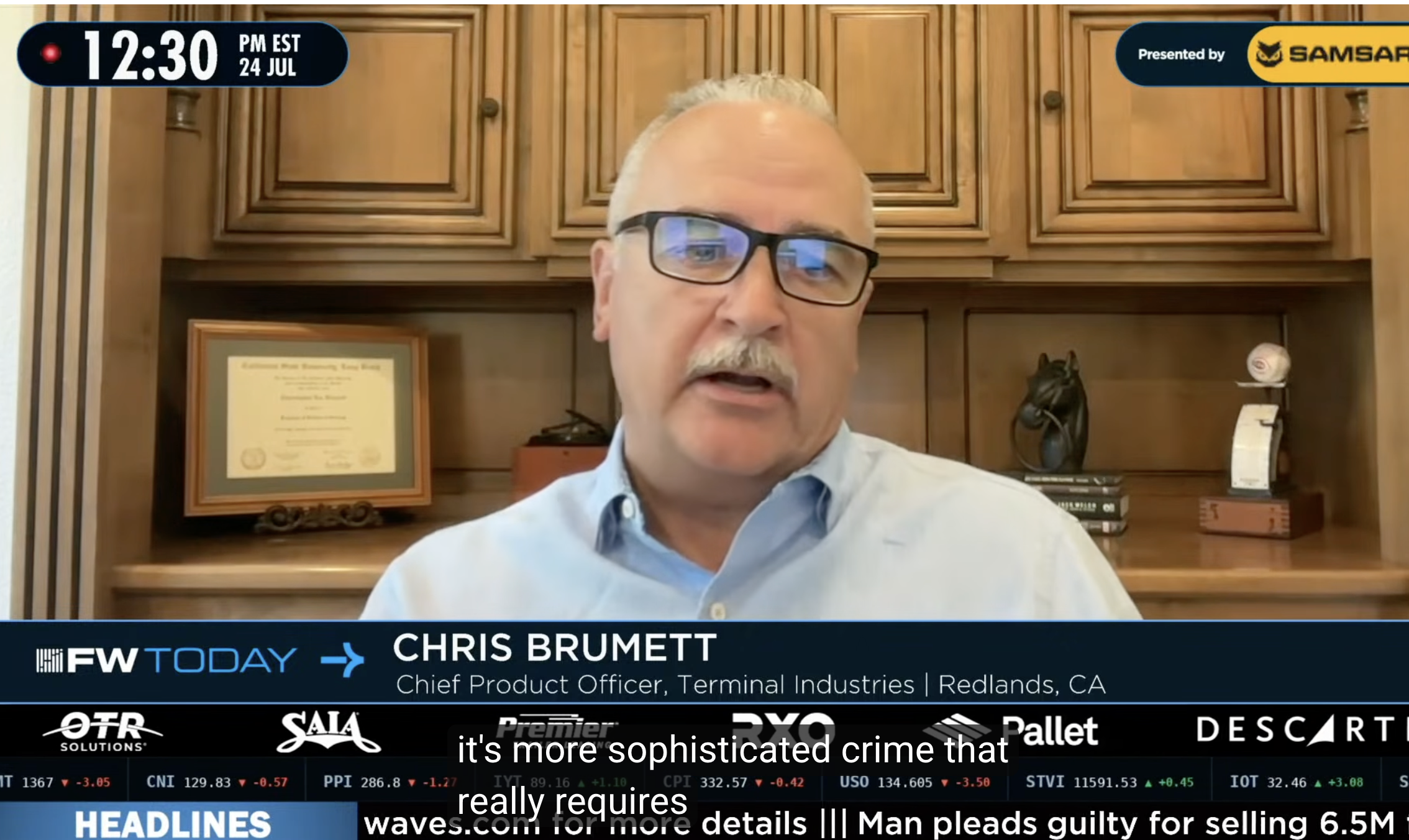
Chris Brumett on Freightwaves Today 7/24/2026
Read Now
article
ERP TODAY: Automation and ERP Q&A with Terminal CPO
Read More
article
DC Velocity - Don't Forget About Your Yard
Read More
podcast
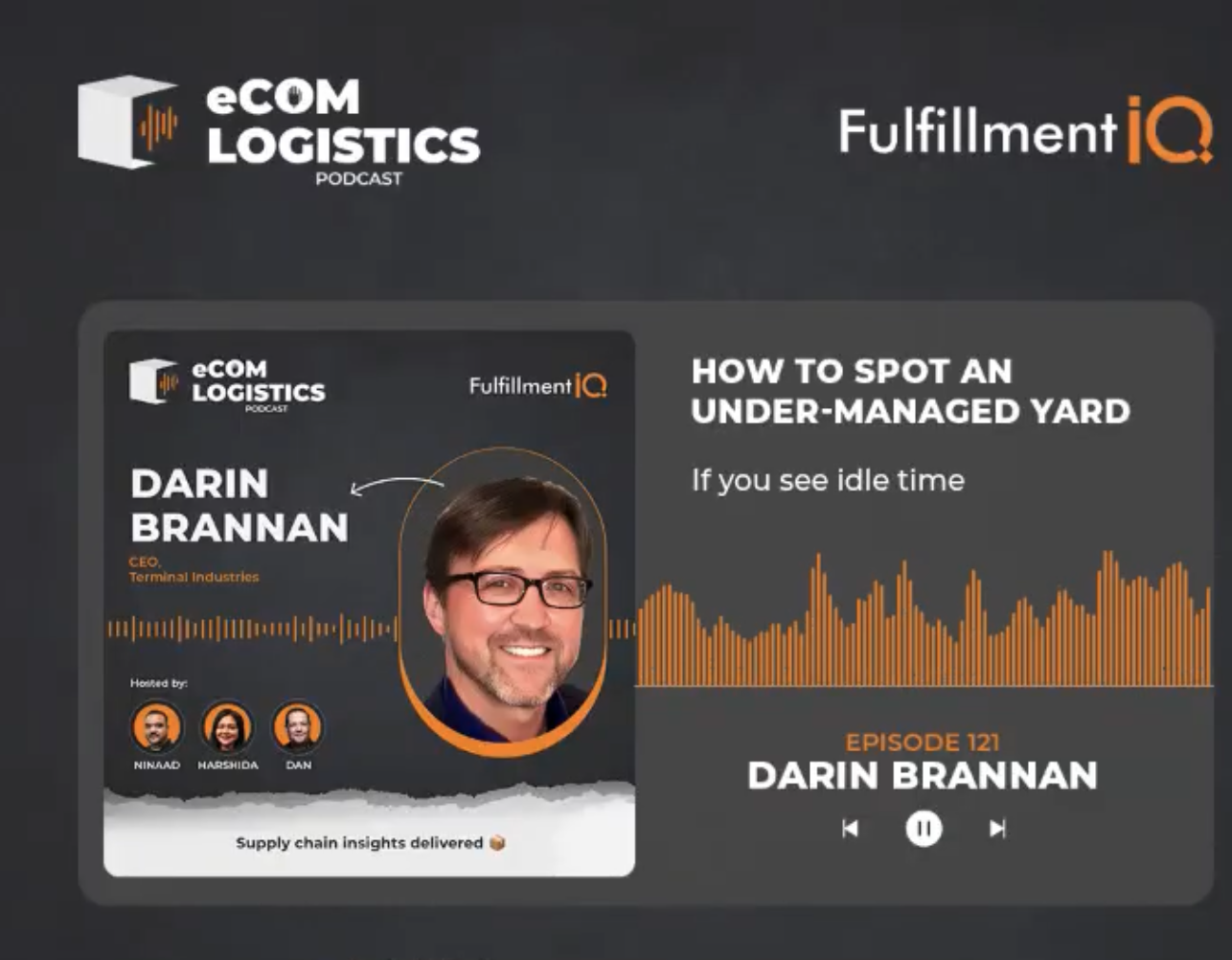
eCom Logistics Podcast - Featuring Darin Brannan: Why Yard Management Is the Last Broken Node in Supply Chain
Read More
article
Fulfillment IQ: Why the Yard Is Still the Last Broken Node in Supply Chain, and How AI Is Finally Fixing It
Read More
podcast
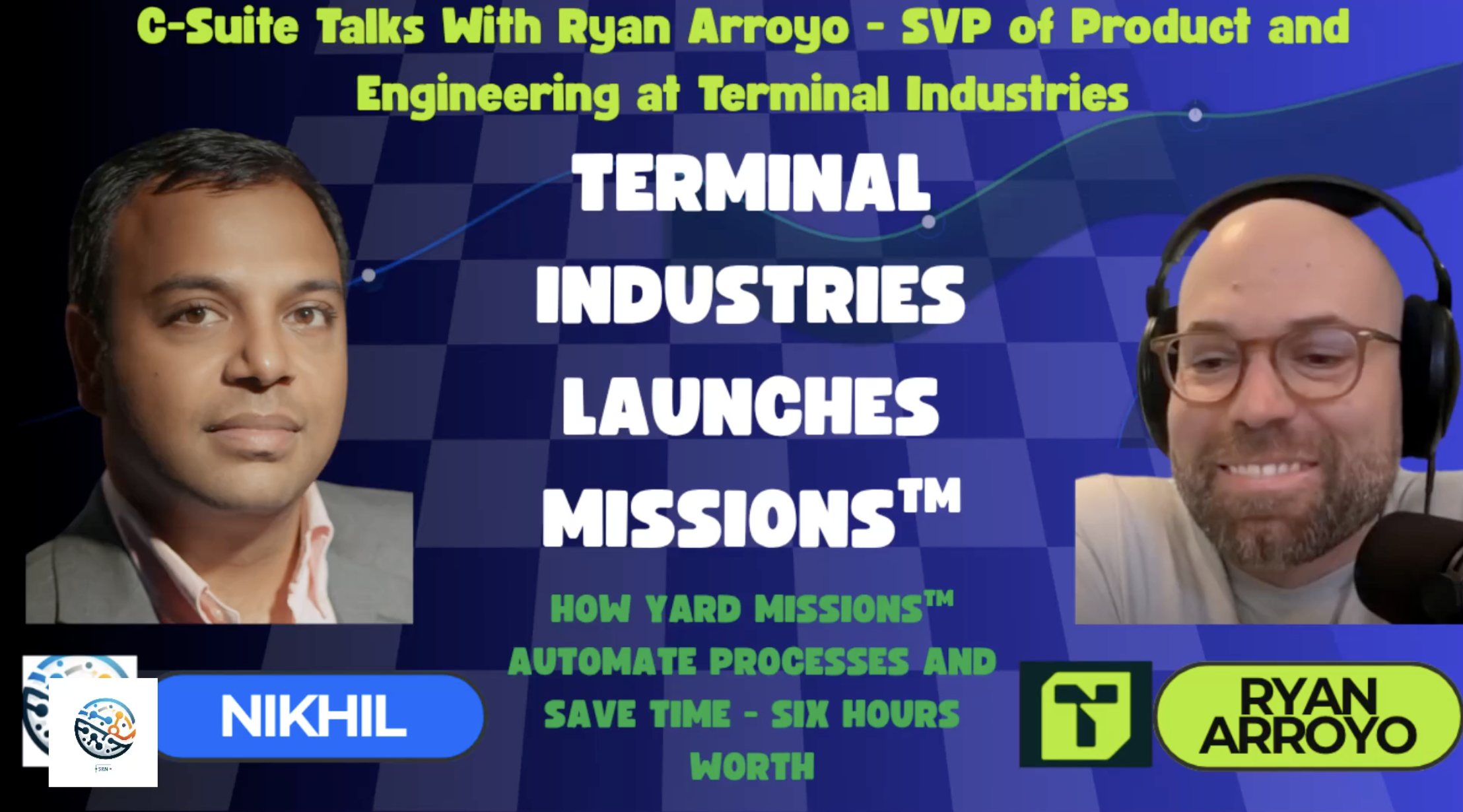
How Yard Missions™ Automate Processes and Save Time - Six Hours Worth
Listen now
podcast
Let's Talk Supply Chain: Experience A New Industry Standard In The Yard, with Terminal Industries
Read More
podcast
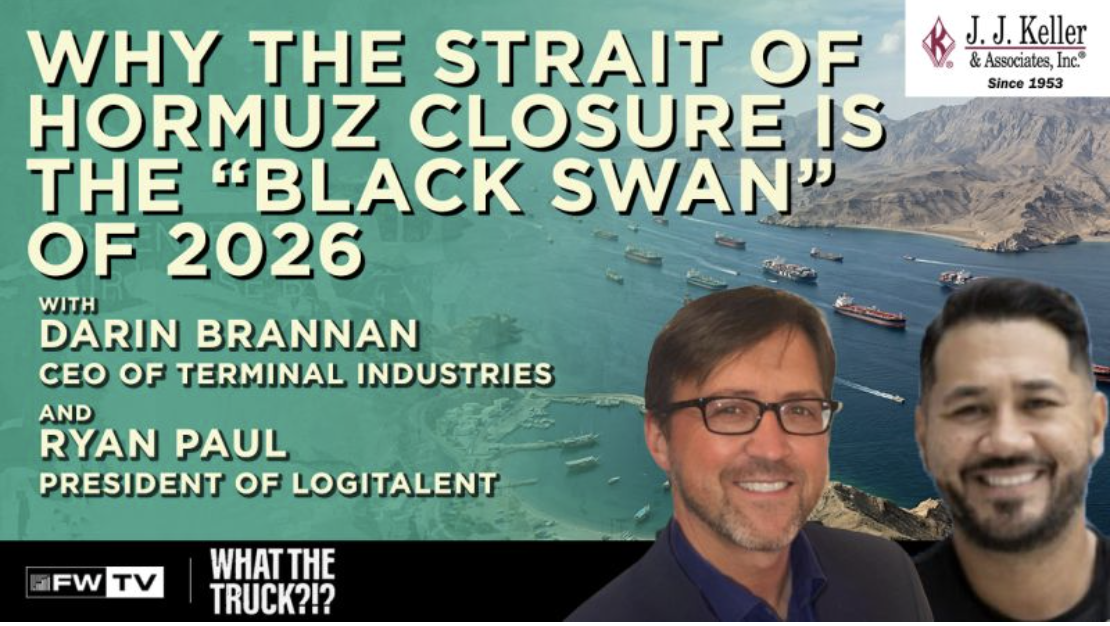
FreightWaves: What The Truck: The Black Hole of the Supply Chain - The Yard
Listen Now
podcast
Spreadsheets Can't Find Your Lost Trailers. Stop Bleeding Money. Let's Talk Supply Chain: Episode with Chris Brumett from Terminal Industries
Previous
Page 1 of 2 (24 posts)
Next
T
e
r
m
i
n
a
l
T
e
r
m
i
n
a
l