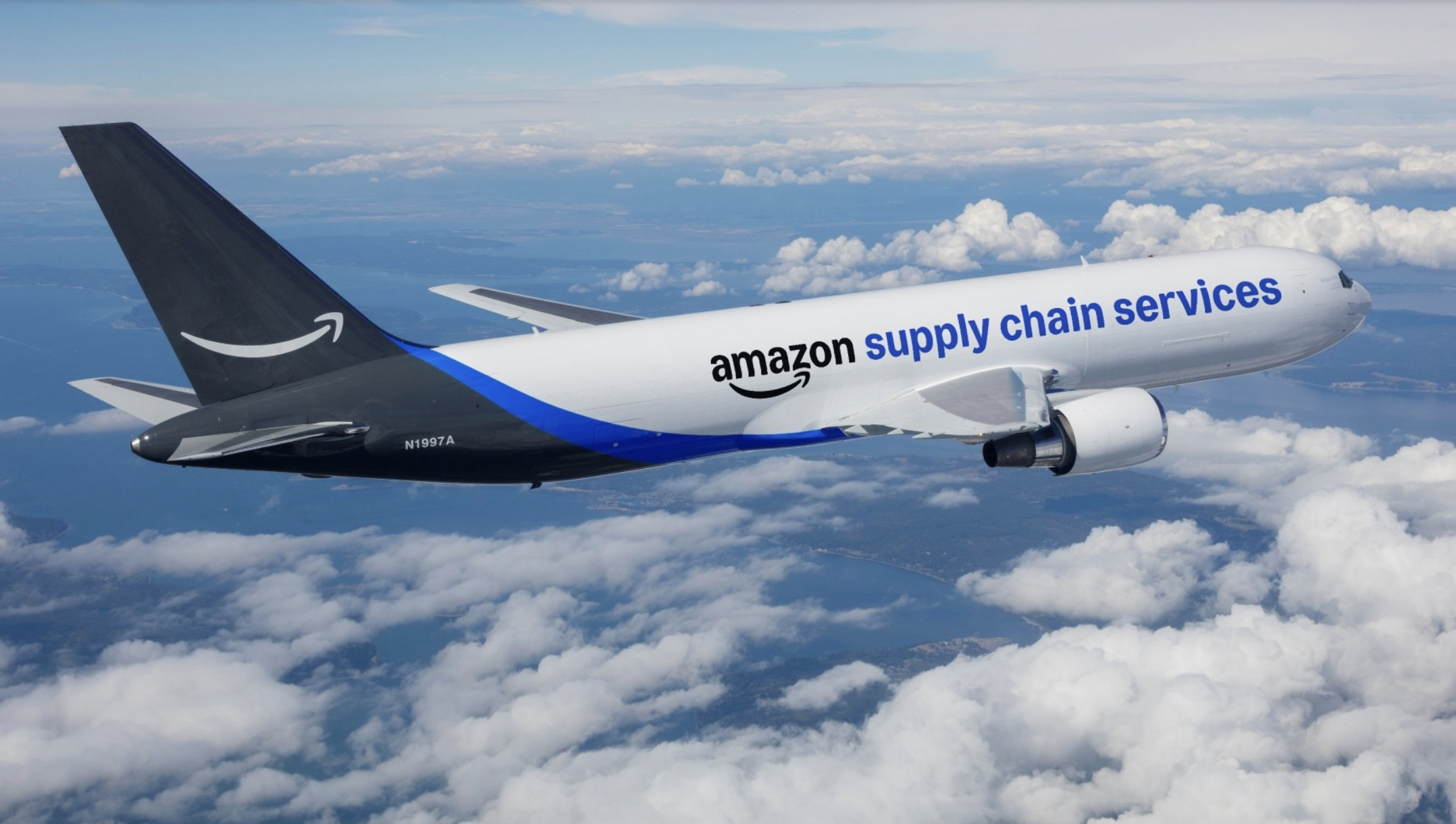

For years, Amazon has been quietly building one of the most sophisticated logistics networks in the world. This week, it made something clear: that network is no longer just a competitive advantage. It is now a product.
With the launch of Amazon’s end to end supply chain services offering, the company is opening its logistics infrastructure to other businesses. Freight, warehousing, fulfillment, and delivery are being bundled into a single, integrated system that companies can plug into.
This is not just an expansion. It is a shift in how logistics is defined.
Amazon is doing to supply chain what it did to cloud computing with AWS. It is taking a complex internal system, refining it, and offering it externally as a platform.
The Shift from Operators to Orchestrators
Historically, logistics has been asset driven. Companies competed based on the number of trucks they owned, the size of their warehouses, or the reach of their delivery networks.
That model is changing.
The next generation of supply chain leaders will not be defined by the assets they own, but by the systems they operate. The advantage is moving toward those who can coordinate, optimize, and orchestrate across an increasingly complex network.
Amazon’s move signals that the future of logistics is not just about moving goods efficiently. It is about controlling the system that determines how those goods move.
The Hidden Dependency in Every Logistics Platform
There is a critical layer in the supply chain that often goes overlooked in conversations about innovation.
The yard.
Every platform, no matter how advanced, depends on the physical movement of trailers in and out of facilities. Goods do not move directly from warehouse to truck to customer in a seamless flow. They pass through yards where trailers are staged, assigned, located, and transferred.
This is where coordination becomes real.
If a trailer is not where it is supposed to be, the downstream system breaks. Warehouse operations stall. Drivers wait. Schedules slip. Even the most advanced planning systems cannot compensate for a lack of real time execution on the ground.
In many operations today, the yard is still managed through manual processes, fragmented systems, and delayed information.
That creates a gap.
Why the Yard Becomes the Bottleneck
As supply chains become more connected and more platform driven, the tolerance for inefficiency decreases.
In a world where logistics is sold as a service, consistency matters. Visibility matters. Execution matters.
The yard is where all three are tested.
It is the point where:
transportation meets warehousing
planning meets execution
digital systems meet physical reality
And it is also one of the least modernized parts of the operation.
Companies have invested heavily in warehouse management systems and transportation management systems. These systems are powerful, but they rely on the yard to execute what they plan.
When the yard lacks visibility or coordination, the entire system becomes less reliable.
The Infrastructure Behind the Platform
Amazon’s new offering works because it has spent years building not just physical infrastructure, but operational control across its network.
For companies looking to compete or integrate into this new model, the question becomes:
How do you ensure your operations can meet the same standard of coordination and execution?
This is where the yard becomes a strategic priority, not just an operational afterthought.
The Role of a Yard Operating System
To support a platform driven supply chain, the yard needs to function as an integrated part of the system.
That requires:
real time visibility into assets and movements
coordinated workflows across teams and systems
the ability to adapt dynamically as conditions change
This is the role of a Yard Operating System.
Instead of treating the yard as a separate environment, it becomes a connected layer that links transportation, warehouse operations, and planning systems into a single flow.
Why This Matters Now
Amazon’s move accelerates a broader trend. Supply chains are becoming more interconnected, more data driven, and more performance sensitive.
As that happens, gaps in execution become more visible.
The yard is one of the largest of those gaps.
Companies that address it will be better positioned to:
reduce delays and idle time
improve asset utilization
increase reliability across their network
Those that do not will find it harder to keep up in a system where expectations are rising.
Bringing It Together
Amazon has shown what is possible when a supply chain is fully integrated and orchestrated.
But even the most advanced platforms depend on what happens at the ground level.
The yard is where strategy becomes execution.
As logistics continues to evolve into a service and a platform, the operations that win will be the ones that can coordinate every layer of the system, including the one that has been historically overlooked.
Because you cannot sell the supply chain as a service if the yard is still operating in the past.
And the future of logistics will be built by those who bring it into the system.


