
For years, supply chain innovation has been defined by a race toward automation. Companies invested heavily in robotics, sensors, AI tools, autonomous equipment, and warehouse modernization initiatives, all with the promise of faster operations and greater efficiency.
But a recent announcement from Procter & Gamble signals something bigger. The industry is entering a new phase.
Last week, P&G announced it is scaling its “Supply Chain 3.0” initiative across the organization after years spent building the infrastructure behind it. The company highlighted major advancements across automation, autonomous loading and unloading, systems integration, and even unstaffed overnight operations. More importantly, P&G emphasized that the real breakthrough was not a single technology. It was the years spent building the underlying platforms and operational capabilities required to make all of these systems work together.
That distinction matters.
Because increasingly, automation itself is no longer the hardest problem in logistics.
Orchestration is.
The industry has spent the last decade deploying point solutions into warehouses, transportation networks, and fulfillment operations. But many facilities still operate with fragmented systems, disconnected workflows, and limited coordination between physical operations and digital intelligence. In many cases, companies have modernized individual pieces of the supply chain without creating a connected operational environment around them.
The result is an operational paradox:
more technology, but not always more flow.
This is especially true in the yard.
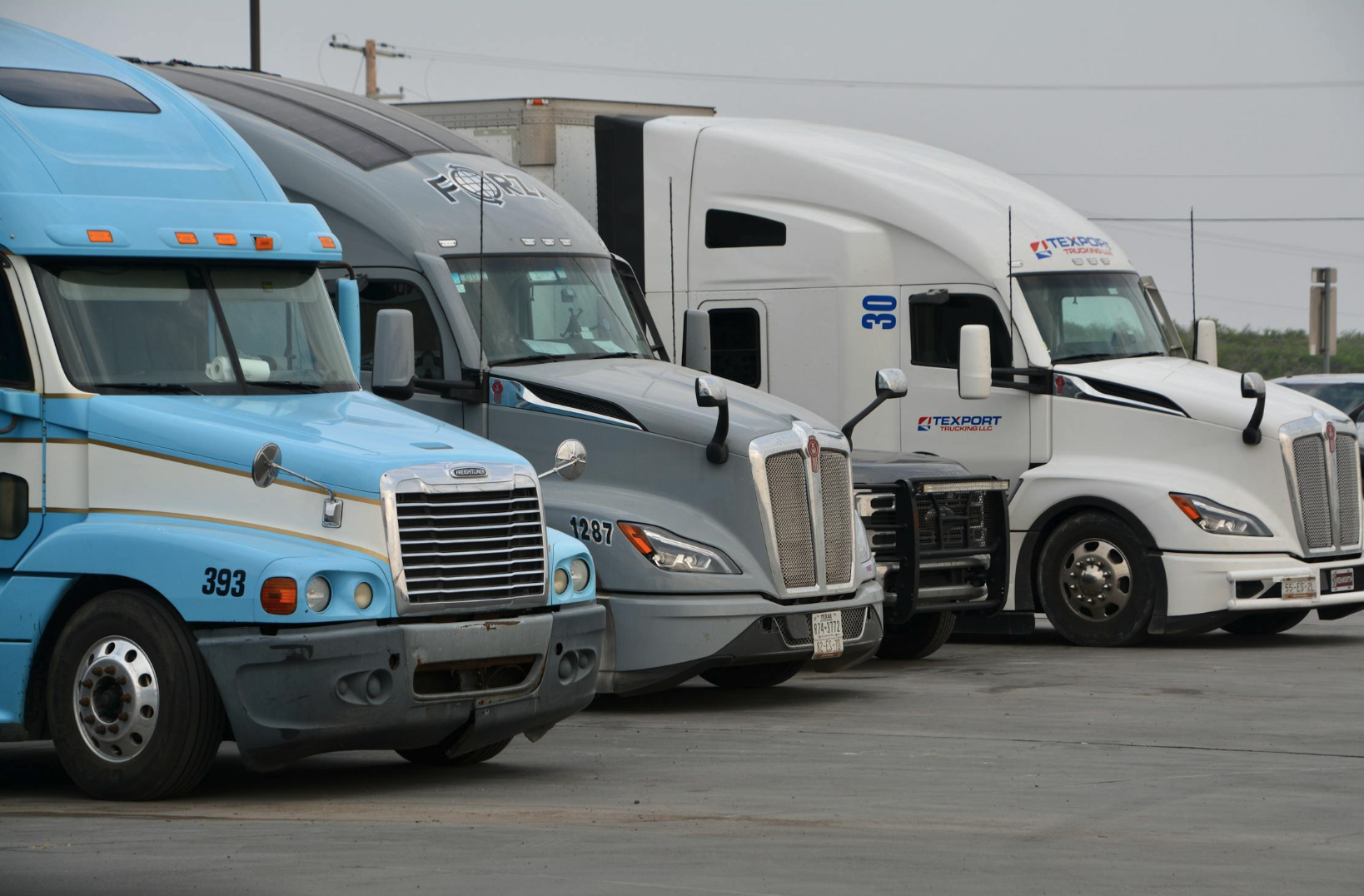
The yard sits at the intersection of warehouse operations, transportation, labor management, scheduling, trailer movements, gate operations, and increasingly autonomous systems. It is one of the most operationally dense environments in the supply chain, yet historically one of the least digitized.
As companies move toward autonomous warehouses and AI-driven logistics environments, the yard can no longer operate as a disconnected buffer between systems. It must become part of the orchestration layer itself.
That is where the industry is heading now.
Not toward isolated automation, but toward connected operational ecosystems capable of coordinating movement, resources, assets, and decisions in real time.
The next generation of supply chain infrastructure will not simply observe operations. It will coordinate them.
And that coordination increasingly depends on having real-time visibility into the physical world itself. Computer vision, AI, and operational intelligence are becoming foundational infrastructure for enabling physical AI across logistics environments, especially in the yard, where movement and execution collide every minute of the day.
P&G’s announcement is a reminder that the future of logistics will not be defined by who installs the most automation.
It will be defined by who can orchestrate it.


