Every operator knows the pattern: a truck arrives, maybe Steve figures out why it’s there and radios a colleague across the yard, the driver checks-in (maybe after waiting for more than an hour), then they’re assigned a dock, load or unload, and then leave.
Yards have always had processes; the real problem was a lack of consistency and execution because the process lives in Steve’s head, on white boards, and literal sticky notes.
That gap matters more than most people realize.
Because while transportation and warehouse systems have evolved into structured, digital environments, the yard is still largely unstructured. Activity happens, but it isn’t consistently captured, enforced, or measured in real time.
And what you can’t structure, you can’t automate.
From activity to execution
We built Missions to solve a very specific problem: how do you take what is happening in the yard and turn it into something the system can actually run? Missions is a workflow engine within Terminal’s Yard Operating System, built for the physical yard that defines what should happen, in what order, and ensures that it actually happens that way every time.
With Missions, each step in a yard process becomes a discrete unit of execution e.g. gate check-in, dock assignment, seal check, movement. Now, instead of documenting what already happened, the system is now responsible for making sure the next step happens.
That switch, from a system of record to a system entrusted with making sure the next step happens, has been a technically challenging one.
Today is a milestone at Terminal because most legacy systems were designed to record state after the fact; to answer questions such as “what is in the yard?” or “what already happened?” not, “what should happen next, and is it happening?”
Why this matters for operators
Missions gives operators consistency. When a process is encoded as a workflow, it runs the same way regardless of who is on shift. That reduces errors, speeds up onboarding, and makes performance measurable.
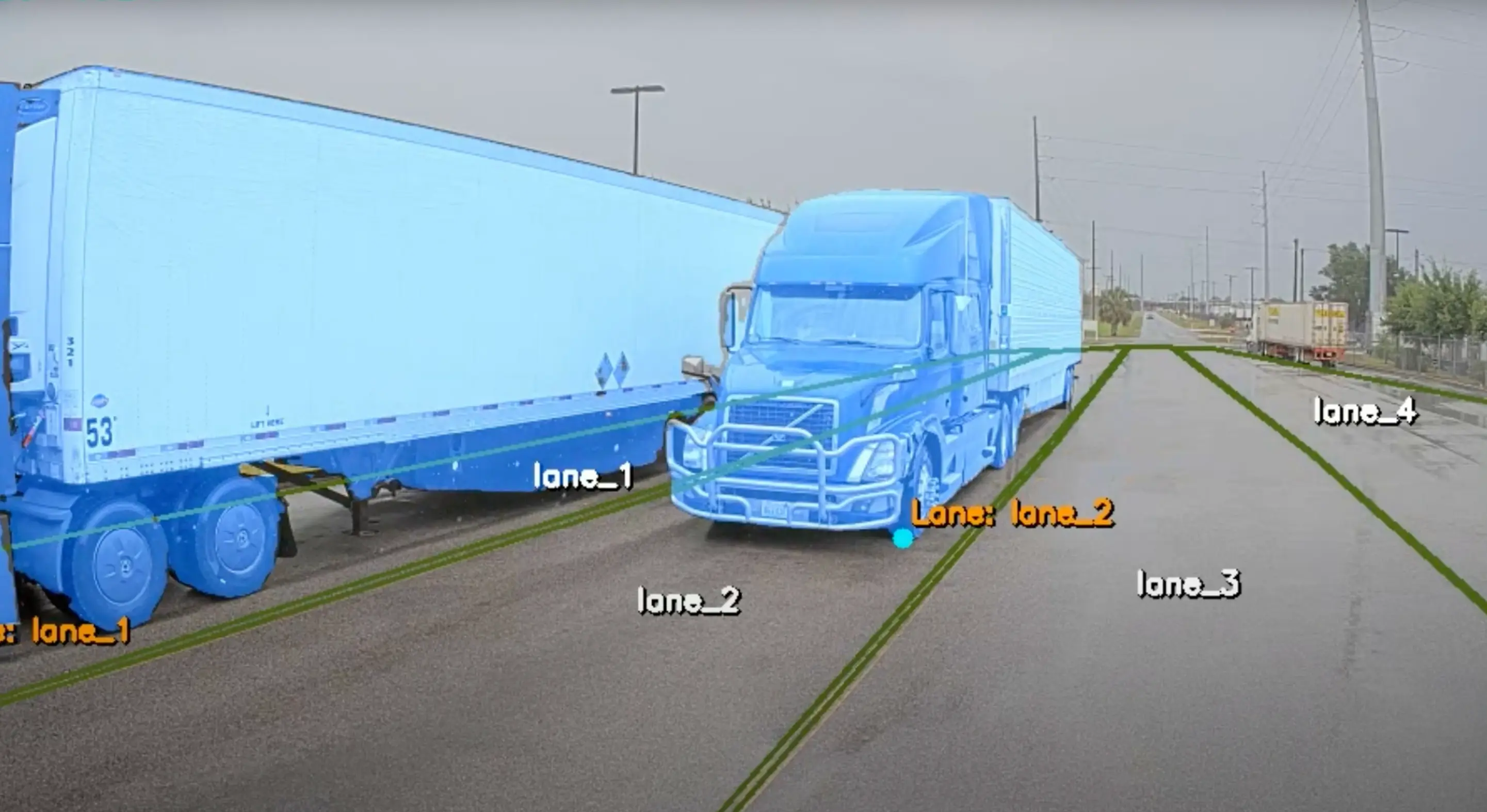
Missions gives operators speed. When workflows are connected to real data sources, the system stops asking questions it already knows the answer to, computer vision is able to read asset IDs, integrations provide shipment context, and next steps are pre-filled or resolved automatically.
With Missions, we’re giving operators progressive automation. Depending on when the system has enough confidence in the data, it’ll suggest steps and then automatically complete them. We're intentionally offering automation on a progressive basis so it expands as data quality improves at the same time as we minimize operator risk.
Why this is a milestone for Terminal
Missions is foundational to Terminal’s product roadmap. We believe in the Lights Out Yard, a fully autonomous, 365/24/7 operation, and in order to achieve that vision, we needed a way to represent work as something a yard operating system can execute.
Missions turns every driver visit and every yard movement into a structured, milestone-driven transaction with a single source of truth. Once that structure exists, you can measure performance in a way that wasn’t possible before. For example, we can better quantify and then improve throughput, measure dock utilization and hold carriers more accountable.
A practical step toward something bigger
Missions is a necessary piece of infrastructure to build agentic systems in physical environments like the yard, which will only work if the underlying workflows are well defined and reliably executed.
As with any foundational product release, this is the basis for us to build on. The job isn’t done, and I’m excited for what we’re building next.
If you’re interested in learning more, we’ll be showcasing Terminal MissionsTM as part of our AI-native Yard Operating System™ live at Modex 2026 in Atlanta from April 13-16. Attendees can visit booth #A1804, located near the Supply Chain Resiliency Theater, to see firsthand how Terminal is redefining yard operations from gate to dock. Set up a meeting today at www.terminal-industries.com/modex2026.


