
For decades, cargo theft looked a certain way. Criminals cut fences, broke locks, and physically stole freight. Security strategies evolved around that reality. Companies invested in gates, cameras, lighting, and guards to keep bad actors out.
But a recent federal indictment involving an alleged $4.49 million cargo theft scheme tells a different story. According to prosecutors, the individuals involved allegedly impersonated legitimate trucking carriers, accepted loads under false identities, and arranged for freight to be picked up and disappear into the supply chain.
No fence was cut. No warehouse was broken into. The freight was simply handed over to someone who appeared to be authorized to take it.
That detail matters because it reflects how cargo theft is changing. Increasingly, theft is no longer a physical security problem. It is an identity problem.
And nowhere is that more visible than the yard.
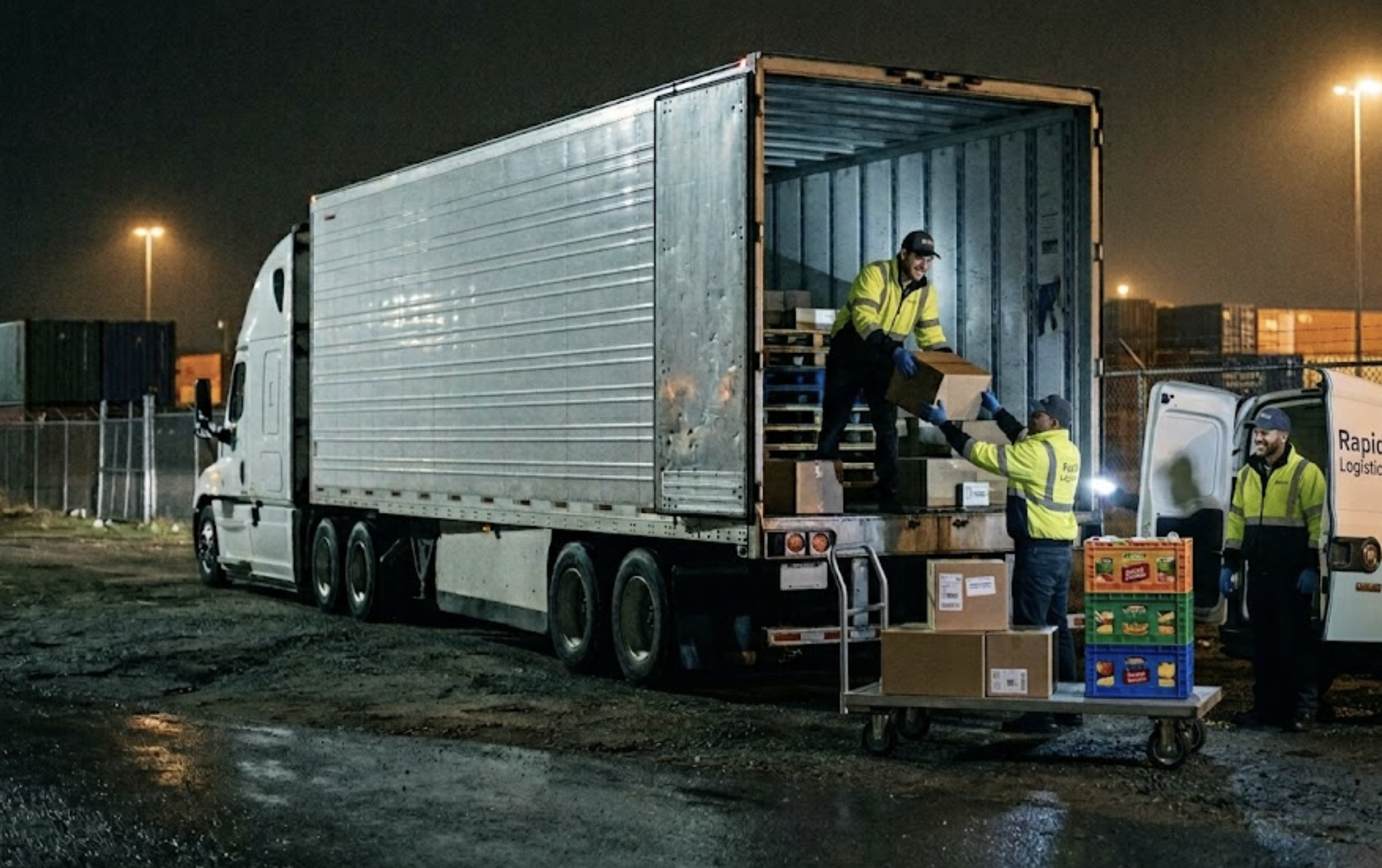
The yard is where custody changes hands. It is where drivers arrive, carriers check in, trailers are assigned, loads are released, and freight physically leaves a facility. Every shipment moving through a warehouse, distribution center, or manufacturing site eventually passes through this point of control.
Yet many yards still operate with surprisingly limited visibility into who is actually arriving and what authority they have.
A driver checks in.
A trailer is assigned.
A load is released.
The gate opens.
Thousands of these transactions happen every day across logistics networks. Most occur without issue. But when a carrier identity has been compromised or fraudulently represented, the yard often becomes the final checkpoint before the freight disappears.
The challenge is that carrier impersonation rarely looks suspicious. The paperwork may appear legitimate. The carrier name may be familiar. The pickup information may match the shipment. To the human eye, everything can appear normal until it is too late.
This is why the conversation around yard operations is beginning to change.
Historically, the industry has focused on moving trucks through the gate as efficiently as possible. Faster check-ins, reduced congestion, and shorter wait times have been the primary objectives.
Those goals remain important. But as fraud becomes more sophisticated, yards are being asked to do something else: verify.
Not just who arrived.
But whether they should be there.
Not just whether a truck is at the gate.
But whether that truck is authorized to leave with a specific load.
In many ways, the future yard is becoming a decision point rather than a traffic checkpoint.
Every arrival, pickup, and departure creates a moment where the operation can either establish confidence or introduce risk. The facilities that perform best in the coming years will not simply be the ones that move trucks the fastest. They will be the ones that can verify identities, validate appointments, maintain chain of custody, and create a trusted record of every movement across the yard.
The recent carrier impersonation case is a reminder that cargo theft is evolving. Criminals are no longer trying to break into the supply chain. Increasingly, they are attempting to blend into it.
That places new importance on the yard.
Because when a fraudulent pickup occurs, the theft usually does not begin on the highway. It begins at the moment someone checks in, receives access, and leaves with freight they were never supposed to have.
The road may be where the load disappears.
But the yard is where the decision was made.


