
Depending on who has a vested stake, the "SaaSpocalypse" may or may not happen. We've seen traditional enterprise B2B SaaS companies move fast to deploy new AI solutions, even when they're bolted on after the fact.
Supply chain is no different. Legacy tech providers are shipping chatbots (glorified AI, if we're honest), and I'm sure some customers have found value in them.
What hasn't changed across any industry is the underlying business model. Customers of every size are still forced to buy overpriced software packages with 50+ features and modules when they need two or three for their specific job. The cost of traditional SaaS, plus the lengthy implementation schedules and fees that come with it, is actively holding everyone back from adopting the latest technology, from supply chain VPs to 3PLs.
With AI-native alternatives, the need to buy a massive package with a massive price tag no longer serves the market. Compounding this is the terrible user experience; once you’ve used an AI-native platform, the experience of trying to manage critical tasks through a bolt-on is painful. That's the genesis of the SaaSpocalypse.
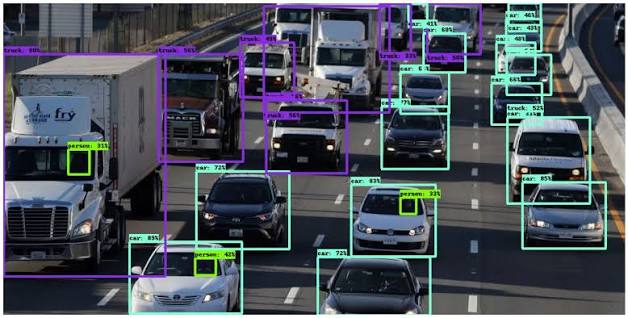
I'd argue computer vision is heading for the same reckoning. CV players burst onto the scene over the last decade and priced their starting packages in the six figures. But the price of computer vision has not kept pace with the rate of technological development, as hardware got cheaper, models got better, and the cost to deploy decreased significantly.
So why does CV still cost what it costs? It doesn't have to. Four things changed underneath the market, and legacy pricing never caught up.
Change 1: The architecture is AI-native, not retrofitted.
Legacy vendors built their platforms in a pre-AI world and have spent years grafting intelligence onto an old foundation. Every bolt-on carries a cost, and that cost gets passed to you as the buyer. When a provider is able to build for AI from the ground up, the economics start in a completely different place.
Change 2: The pricing is as-a-service, not perpetual license plus fees.
You shouldn't pay six figures up front for capabilities you haven't used yet. As-a-service pricing ties what you spend to the value you get, and it kills the implementation tax that has padded CV invoices for a decade.
Change 3: The models are better, and better is cheaper.
Modern CV models deliver higher accuracy per dollar of compute than the hand-tuned, bespoke systems of the 2010s, and the capability gap is widening in the buyer's favor every quarter.
Change 4: Hardware is more accessible than ever
You no longer need specialized, expensive camera rigs to run serious computer vision. Off-the-shelf cameras and edge compute do the work, because the intelligence lives in the software. The expensive part of CV is no longer the part you bolt to a pole.
Put those four together and the math is simple. We can deliver computer vision that's priced for ROI, well below what's on the market and twice as powerful, because the cost structure underneath it has fundamentally changed.
This is an interesting dichotomy, because the generation of CV solutions offer premium features and returns, but at an affordable price point. The ROI is demonstrable and it shows up in – yet again – four distinct places an operator can measure:
Speed
Vision capture and automated check-in move a truck through the gate in seconds instead of minutes. Multiply that across every arrival and you cut dwell, shrink detention exposure, and turn the yard faster without adding a lane or a clerk. Not to mention the opportunity to replace RFID solutions.
Labor
Computer vision does the work people used to do on foot. The system always knows what's in the yard and where it sits, so your team doesn’t manage millions of inventory by walking around the lot.
Error reduction
Load verification confirms the right trailer is at the right door with the right freight before it moves. That means fewer mis-ships, fewer OS&D claims, and a secure chain of custody.
D&D charges get slashed when trucks can move quickly and efficiently through the lot, compliance exposure decreases when every move is CTPAT compliant, and carrier verification happens even before the truck arrives, and before the load is stolen.
It makes no sense for buyers to keep accepting legacy CV that's priced and built like the enterprise SaaS of the 2010s.
We're in a new era, and technology buyers deserve better ROI on their investment. That means affordable computer vision that's part of the yard platform you already run, working the gate, the lanes, and the dock instead of sitting in a separate six-figure silo.
I'm a longtime SaaS veteran, and what I'm seeing in the CV market has me excited for the value this new generation of tools will deliver, at a price point that finally makes sense.
:quality(85))
:quality(85))
:quality(85))
:quality(85))
:quality(85))
:quality(85))
:quality(85))
:quality(85))
:quality(85))
:quality(85))
:quality(85))
:quality(85))
:quality(85))
:quality(85))
:quality(85))
:quality(85))


